Ventilation

Ventilation
What is home ventilation?
Home ventilation refers to the ways fresh air moves through a property while allowing moisture, stale air and indoor pollutants to escape. Everyday activities such as cooking, showering and drying clothes release moisture into the air, which needs to leave the home to prevent condensation.
Without sufficient ventilation, this moisture can build up indoors and settle on cooler surfaces like walls and windows. Over time this can lead to damp conditions and mould growth.
Ventilation helps maintain airflow throughout the property, improving indoor air quality and supporting a healthier living environment, particularly in well insulated homes where heat is retained more effectively.
How it works
Ventilation allows fresh air to enter the home while removing moisture and stale air. This helps control humidity levels and maintain healthy indoor air quality.
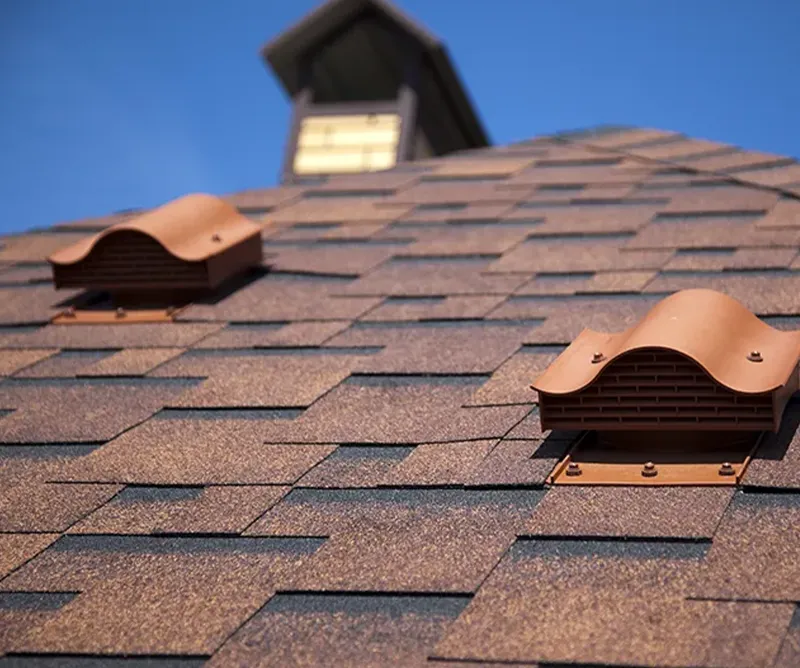
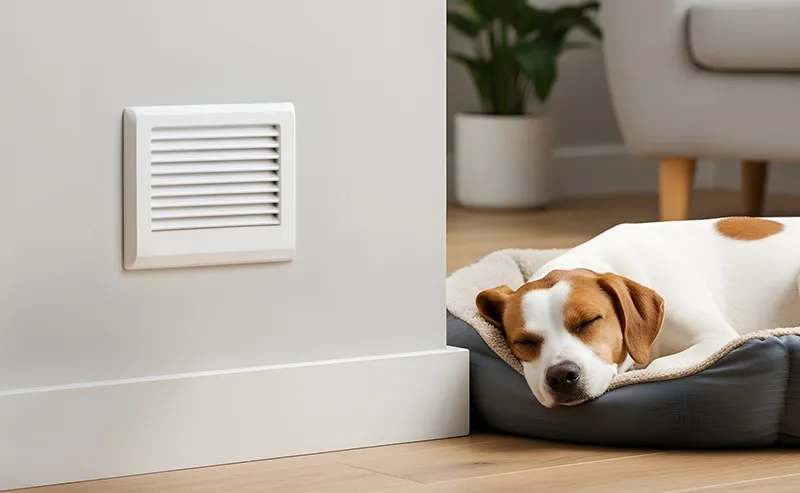
Different types of ventilation may be used depending on the property. Extractor fans remove moist air from kitchens and bathrooms, while trickle vents and wall vents allow background airflow. Door undercuts also help air move between rooms.
Together these features help ensure moisture created through everyday activities can escape the home rather than becoming trapped indoors.
See how we’ve helped some local homes around Norfolk
See how we’ve helped homeowners across Norfolk improve energy efficiency through real home projects. Discover practical upgrades that reduce heat loss, lower energy bills, and improve comfort, with solutions tailored to each property and designed to deliver reliable, long-term results for everyday living.
Is additional ventilation needed for your home?
All homes require some level of ventilation to maintain good air quality and manage moisture. Ventilation becomes particularly important when insulation or energy efficiency improvements are installed, as warmer homes can trap moisture more easily.
A survey will help determine the type of ventilation suitable for your property.
Main benefits of good home ventilation
Good ventilation helps maintain a healthier and more comfortable indoor environment. By allowing moisture and stale air to escape, ventilation supports better air quality, helps reduce damp and mould risks, and keeps homes feeling fresher.
Reduce damp and mould
Ventilation helps remove excess moisture created by everyday activities such as cooking and showering. By allowing this moisture to escape, it reduces the risk of condensation forming on walls and windows, helping prevent damp and mould.
Healthier indoor air
Good airflow helps remove stale air and indoor pollutants while allowing fresh air to circulate through the home. This can help improve overall indoor air quality and support a healthier living environment for occupants.
Support insulation upgrades
When insulation is added to a home it can reduce natural airflow. Ventilation ensures moisture can still escape while heat is retained, helping energy efficiency improvements work effectively without causing damp problems.
Protect your home
Managing moisture levels helps protect walls, ceilings and window frames from damp related damage. Over time this can help maintain the condition of your property and prevent issues linked to condensation.
Straightforward enhancement
Many ventilation improvements are straightforward to install. Options such as extractor fans, wall vents and trickle vents can help improve airflow throughout the home without major building work.
Improve everyday comfort
Homes with good ventilation often feel fresher and less humid. By removing moisture and stale air, ventilation can help create a more comfortable and pleasant indoor environment throughout the year.
What you need to be aware of
- Ventilation needs vary depending on the property.
- It is often required when insulation improvements are installed.
- Surveys help determine what ventilation is needed.
- Adequate ventilation is required under retrofit standards such as PAS2035.
What to expect during installation
Ventilation improvements can include installing extractor fans, trickle vents or wall vents depending on the needs of the property. Installers will assess the home and recommend suitable options to improve airflow. Many installations are relatively quick and involve minimal disruption.
Running & maintenance
Most ventilation systems require very little maintenance. Extractor fans may need occasional cleaning to ensure they continue operating effectively, while vents should remain unobstructed to allow airflow. Once installed, ventilation systems help manage moisture levels automatically.

Grants and support available
You may be able to get funding or financial support. To see if you may be eligible, visit our funding and eligibility page for more information.

Ventilation systems FAQs
Ventilation allows moisture and stale air to escape from the home while bringing in fresh air. Without it, everyday activities can lead to condensation forming on walls and windows, which can contribute to damp and mould problems.
Yes. Insulated homes retain heat more effectively, but this can also trap moisture indoors. Proper ventilation ensures that moisture can escape while the home remains warm and energy efficient.
Kitchens, bathrooms and utility rooms usually require ventilation because they generate the most moisture through activities such as cooking, showering and washing clothes.
Common solutions include extractor fans, moisture controlled fans, trickle vents in windows, wall vents and door undercuts. These features help air move through the home and allow moisture to escape.
Proper ventilation manages airflow without significantly reducing warmth. It removes excess moisture and stale air while allowing fresh air to circulate, helping maintain a comfortable and healthy indoor environment.
Installers may need access to kitchens, bathrooms, windows or external walls depending on the system being installed. A survey will usually identify the most suitable ventilation improvements for your home.
Who can apply
Anyone can improve the energy efficiency of their home. If you’re looking for funding or support, eligibility can vary depending on where you live and income. Visit our eligibility page to find the guidance and schemes available in your area


Our partners
Home Energy Hub Norfolk is a collaboration of all Norfolk Councils. This website aims to provide residents with clear, trusted information to help them explore energy efficiency improvements and understand available support.