Heat pumps

Air source heat pumps
What is an air source heat pump?
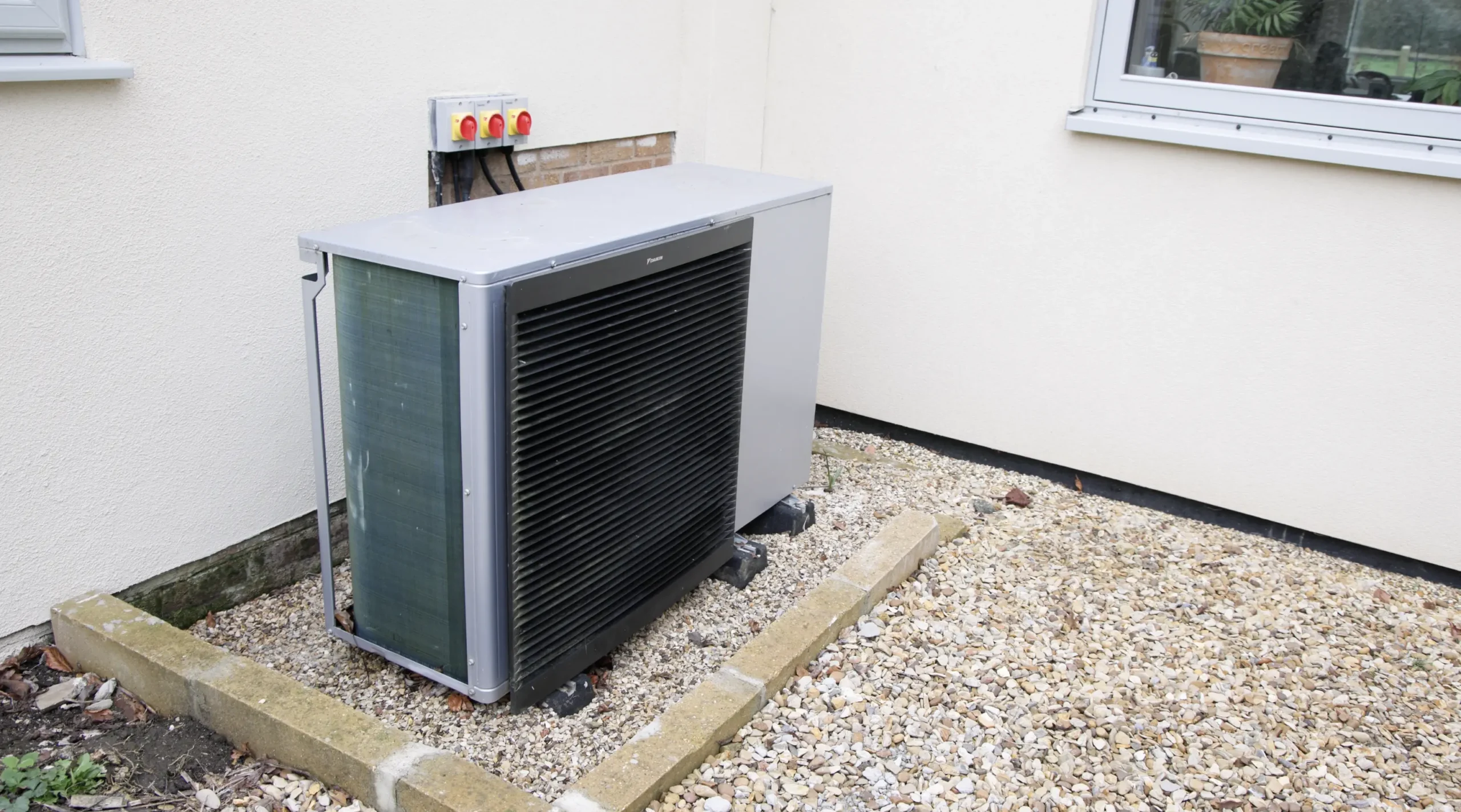
An air source heat pump (ASHP) is a modern, energy-efficient heating system that captures heat from the outside air and uses it to warm your home and provide hot water. It uses a refrigeration cycle similar to a refrigerator or air conditioner, but in reverse, extracting ambient heat even in cold weather and transferring it indoors via water circulated through radiators or underfloor heating. ASHPs are powered by electricity and can generate several times more usable heat than the electrical energy they consume.
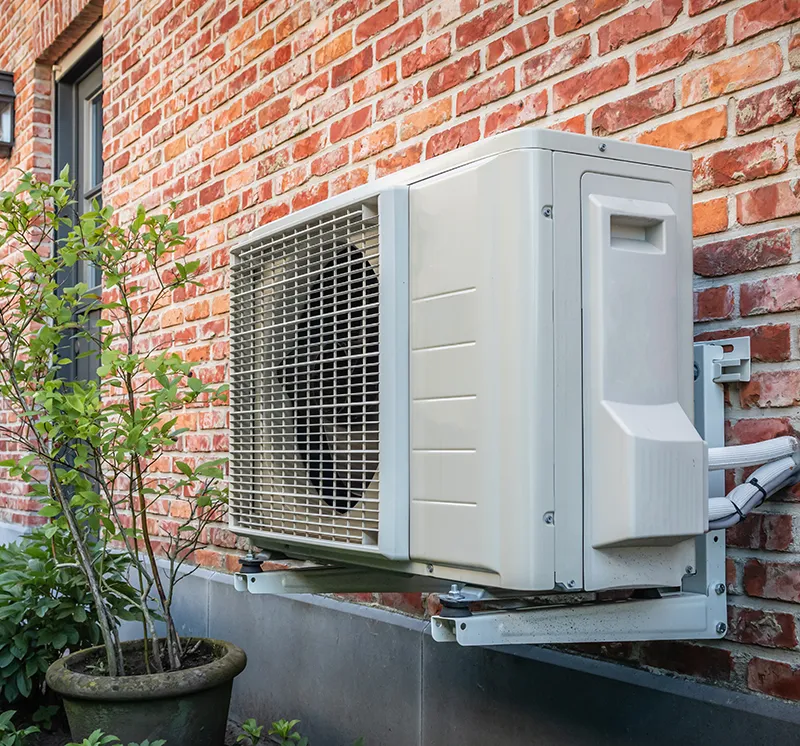
The outdoor unit looks similar to a large air conditioning unit. Inside your home a hot water cylinder stores and distributes the heat for space heating and hot water.
How it works
Air source heat pumps absorb low-grade heat from outside air using a refrigerant. The heat pump raises this heat to a higher temperature with a compressor, then delivers it to your home’s heating system and hot water cylinder. They can work even when outdoor temperatures are low, although efficiency decreases slightly as it gets colder.
ASHPs can often be paired with low temperature heating systems such as underfloor heating or larger radiators designed for lower flow temperatures, which improves performance and comfort.
See how we’ve helped some local homes around Norfolk
See how we’ve helped homeowners across Norfolk improve energy efficiency through real home projects. Discover practical upgrades that reduce heat loss, lower energy bills, and improve comfort, with solutions tailored to each property and designed to deliver reliable, long-term results for everyday living.
Are ASHP right for your home?
Like all heating systems, air source heat pumps are most effective in well-insulated homes, where heat losses are minimised and the system can operate at optimal efficiency. A professional heat pump assessment will help you understand whether your property is suitable, what size system you need, and whether upgrades (like radiator resizing or insulation improvements) are recommended.
Main benefits of air source heat pumps
Air source heat pumps provide an efficient, low carbon way to heat your home and hot water. By capturing heat from the outside air, they can help reduce energy use, lower emissions and support a more sustainable approach to heating.
Energy efficiency & lower bills
ASHPs are highly efficient, typically producing 2–4 units of heat for every 1 unit of electricity used. This means they can cost significantly less to run than conventional electric heaters or older fossil fuel boilers, especially when replacing inefficient systems.
Reduced carbon emissions
ASHPs provide a much lower carbon alternative to gas or oil boilers because they use renewable heat from the air and electricity, which can be sourced from low-carbon or renewable generation. This helps reduce the environmental impact of home heating.
Government grants & incentives
Most homeowners are eligible for the Boiler Upgrade Scheme, offering financial support towards the cost of installing an air source heat pump. This can make the upfront costs much more affordable.
Year-round comfort
Modern ASHPs can provide consistent heating throughout the year and, in some cases, can also reverse their cycle to provide cooling in warmer months, acting as an air conditioning system too.
Long lifespan & low maintenance
ASHPs typically last around 20 years or more with basic maintenance. They have fewer moving parts than combustion boilers, meaning they are less likely to break down. Routine checks and occasional professional servicing help maintain performance.
Versatility
Air source heat pumps can be installed in many types of homes, from new builds to retrofit projects in older homes, provided the property is sufficiently insulated and suitable radiators or underfloor systems are in place.
What you need to be aware of
- Installation costs can be higher than traditional boilers without funding support.
- They work best in well insulated homes with suitable radiators or underfloor heating.
- The outdoor unit requires space outside and produces a low humming sound.
- Heat pumps heat homes more gradually, so they are designed to run for longer periods.
What to expect during installation
Installation involves placing the external unit outside your property and integrating it with your home’s central heating and hot water systems. The process can take a few days, and it may include upgrades to radiators or pipework to ensure efficient heat distribution. A certified installer should assess the site first and guide you through planning and installation.
Running & maintenance
ASHPs operate continuously rather than in short bursts like traditional boilers, so consider checking or updating your electricity tariff for better value. Occasional cleaning of external units, annual professional servicing, and keeping the area around the unit clear of obstructions will help maintain performance.
Grants and support available
For Air Source Heat Pumps, you may be able to get funding or a more cost-effective installation through the following schemes:

Heat Pumps FAQ’s
Yes. Air source heat pumps are designed to work even in cold temperatures. They extract heat from the outside air and use it to warm your home. Modern systems are built to operate efficiently throughout winter conditions.
Yes, many older homes can install heat pumps. Improvements such as insulation, upgraded radiators or underfloor heating may help systems run more efficiently. A survey can help determine what changes might be needed.
In most cases a heat pump replaces a gas, oil or electric boiler as the main heating system. It can provide both space heating and hot water for your home using electricity rather than fossil fuels.
Heat pumps generally require little maintenance. They have fewer moving parts than many traditional systems. An annual service is recommended to check performance and ensure the system continues running efficiently.
Heat pumps can produce several units of heat for every unit of electricity they use. This makes them highly efficient compared with traditional heating systems that burn fuel to create heat.
No. Heat pumps are designed to run steadily to maintain a consistent temperature in your home. Instead of switching them on and off like a boiler, they work best when left running and controlled through a thermostat or heating schedule.
Heat pumps make some noise, but modern units are quiet similar to a fridge or freezer. They’re usually no louder than a boiler flue, though they run more continuously and must meet strict noise standards.
Most households can get a £7,500 Boiler Upgrade Scheme grant for heat pumps, making costs in some cases comparable to replacing a boiler. For households that rely on LPG or heating oil, the grant is £9,000. Low- or zero-interest loans may also be available, and some councils offer fully funded installations.
Who can apply
Anyone can improve the energy efficiency of their home. If you’re looking for funding or support, eligibility can vary depending on where you live and income. Visit our eligibility page to find the guidance and schemes available in your area

Our partners
Home Energy Hub Norfolk is a collaboration of all Norfolk Councils. This website aims to provide residents with clear, trusted information to help them explore energy efficiency improvements and understand available support.