Loft insulation

Loft insulation
What is loft insulation?
Loft insulation is a layer of insulating material installed between or over the joists in your loft or attic space. Its purpose is to slow the movement of heat through the roof, helping keep warmth inside your home during colder months and reducing how much energy is needed to heat the property.
In homes without adequate insulation, a significant amount of heat can escape through the roof. Adding or upgrading loft insulation can help reduce this heat loss and improve overall energy efficiency. Common materials include mineral wool or other insulating fibres that trap air to reduce the transfer of heat.
Loft insulation is one of the most widely used and effective ways to improve a home’s thermal performance.
How it works
Loft insulation works by creating a barrier that slows the transfer of heat through the roof of your home. Insulating materials trap pockets of air within their structure, which helps reduce the movement of heat from warmer areas to colder areas.
When insulation is installed between and over the loft joists, it helps keep heat generated inside your home from escaping through the roof. This means your heating system does not have to work as hard to maintain a comfortable temperature. By reducing heat loss, loft insulation can improve energy efficiency and support lower heating demand.
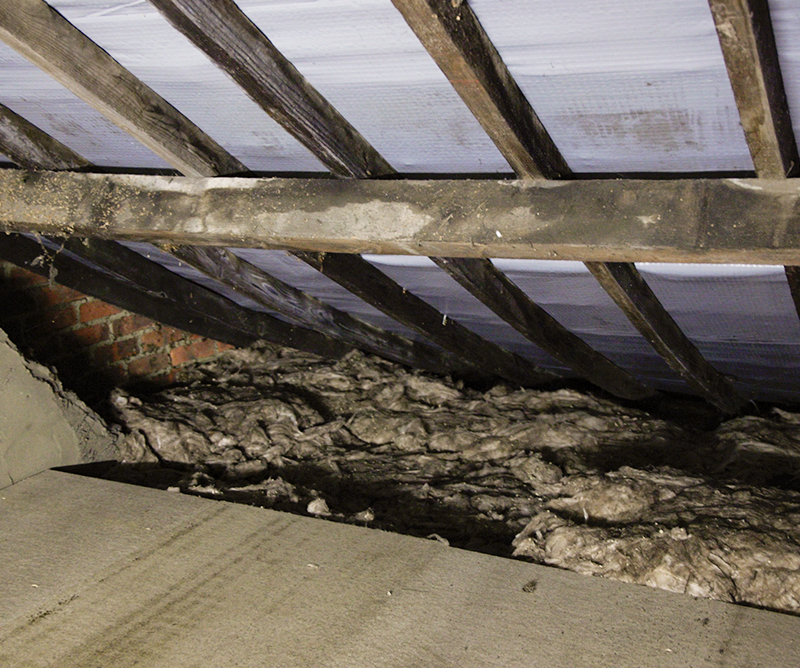
See how we’ve helped some local homes around Norfolk
See how we’ve helped homeowners across Norfolk improve energy efficiency through real home projects. Discover practical upgrades that reduce heat loss, lower energy bills, and improve comfort, with solutions tailored to each property and designed to deliver reliable, long-term results for everyday living.
Is loft insulation right for your home?
Loft insulation is suitable for many homes, particularly properties with accessible loft spaces. It is often one of the simplest and most cost effective ways to improve energy efficiency. Homes with little or no existing insulation may benefit most from installing or upgrading loft insulation.
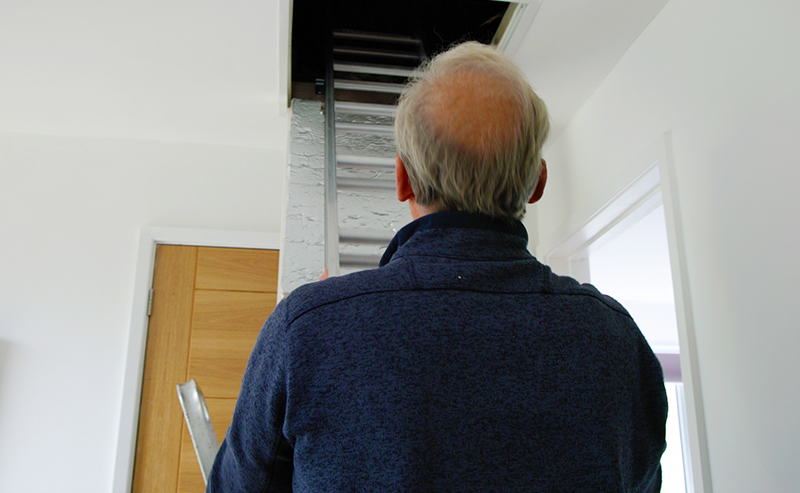
Main benefits of loft insulation
Loft insulation can offer a range of benefits for homeowners looking to improve comfort and energy efficiency. By reducing heat loss through the roof, it can help make homes warmer, support lower heating demand and improve overall energy performance.
Reduce heat loss
Loft insulation helps prevent heat escaping through the roof, which is one of the main areas where energy can be lost in an uninsulated home. By reducing this heat loss, insulation helps keep warmth inside the property for longer.
Improve home comfort
By slowing the loss of heat through the roof, loft insulation can help maintain a more comfortable indoor temperature. This can make living spaces feel warmer in winter and contributes to a cosier, comfier home.
Lower heating demand
Reducing heat loss means your heating system may not need to work as hard to maintain comfortable temperatures. This can help lower overall heating demand and improve how efficiently energy is used in the home.
Cost effective upgrade
Loft insulation is often considered one of the most cost effective energy efficiency improvements. Installation is usually straightforward and can deliver noticeable benefits in comfort and energy performance.
Healthier indoor environment
Proper loft insulation can help reduce condensation and damp by maintaining more stable temperatures in the home. This can limit conditions where mould may develop, helping create a healthier indoor environment for occupants.
Long lasting solution
Once installed, loft insulation can remain effective for many years with little (typically no) maintenance required. This makes it a long lasting improvement that continues supporting comfort and energy efficiency over time.
What you need to be aware of
- Your loft space must be accessible for installation.
- Stored items may need to be moved or raised above insulation.
- Some homes may already have insulation that can be topped up.
- Good ventilation is important to prevent condensation.
What to expect during installation
Installing loft insulation is usually a straightforward process. Installers will access the loft space and lay insulating material between and over the joists to the recommended depth. Some stored items may need to be moved during the work. Most installations can be completed within a day depending on the size of the loft.
Running & maintenance
Loft insulation requires very little maintenance once installed. It works passively by slowing heat loss through the roof and does not rely on moving parts or mechanical systems. Occasional checks may help ensure insulation remains evenly spread and is not compressed by stored items.

Grants and support available
For Insulation, you may be able to get funding or a more cost-effective installation through the following schemes:

Loft insulation FAQs
Current guidance typically recommends around 270 to 300mm of loft insulation. Homes with older insulation may benefit from topping this up to improve performance and reduce heat loss through the roof.
Yes, in many homes additional insulation can be installed on top of existing material. This helps increase the total depth of insulation and improve the effectiveness of the thermal barrier.
Loft insulation helps keep heat inside the home by reducing heat loss through the roof. This can make rooms feel warmer and help maintain more consistent indoor temperatures.
Insulation is installed across the loft floor, which may cover joists used for storage. Raised loft boarding can sometimes be installed to allow storage while maintaining the correct insulation depth.
Yes, good loft ventilation is important to prevent moisture build up. Installers ensure that ventilation paths remain clear so the loft space can breathe properly and avoid condensation problems.
Before installation, you may be asked to clear items stored in the loft space and ensure safe access. Installers will assess the loft structure and confirm the best way to install insulation to the recommended depth.
Who can apply
Anyone can improve the energy efficiency of their home. If you’re looking for funding or support, eligibility can vary depending on where you live and income. Visit our eligibility page to find the guidance and schemes available in your area

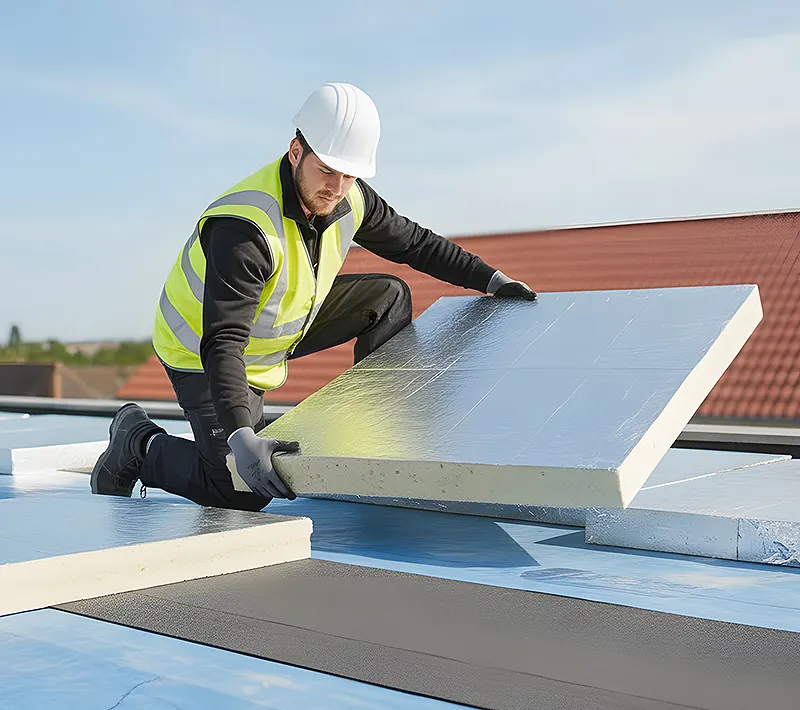
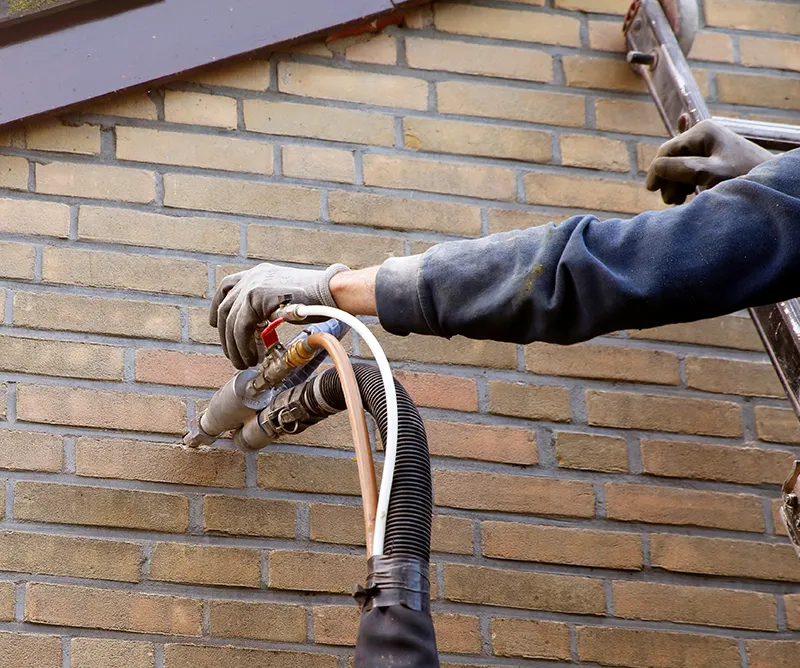
Our partners
Home Energy Hub Norfolk is a collaboration of all Norfolk Councils. This website aims to provide residents with clear, trusted information to help them explore energy efficiency improvements and understand available support.