Cavity wall insulation

Cavity wall insulation
What is cavity wall insulation?
Cavity wall insulation is installed within the gap between the inner and outer walls of many homes built from the 1920s onwards. This gap, known as a cavity, was originally designed to prevent rainwater reaching the inside of the home, but it can also allow heat to escape.
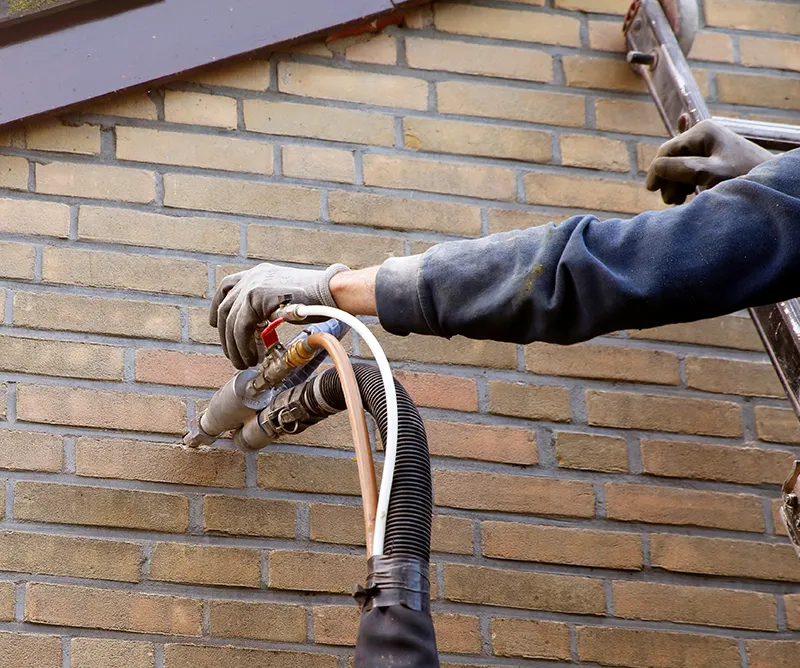
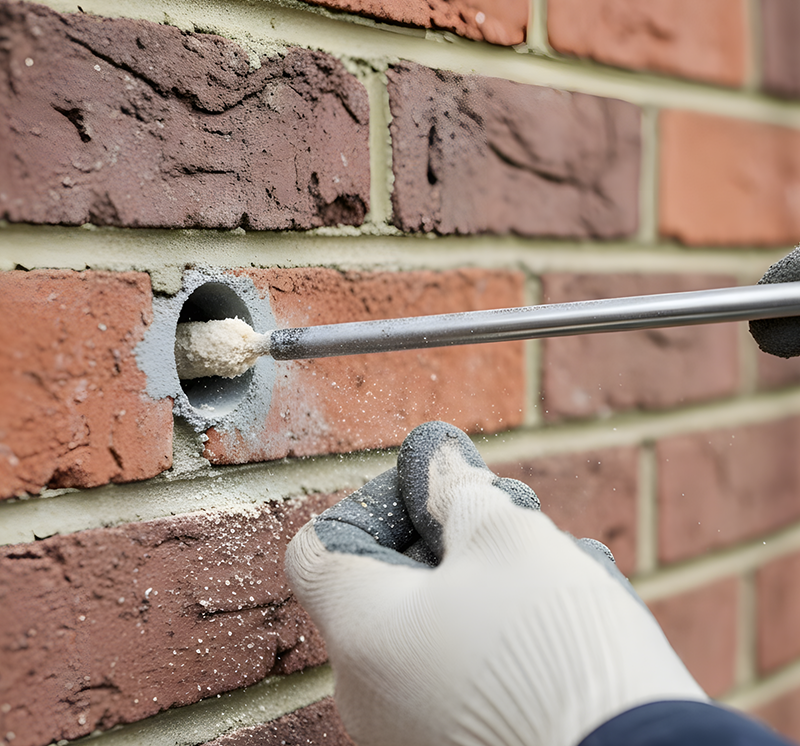
Insulating material is injected into the cavity through small holes drilled in the external wall. The material fills the space and slows the movement of heat through the walls. By reducing heat loss, cavity wall insulation helps keep warmth inside the home for longer and improves overall energy efficiency.
For many properties, insulating cavity walls can be one of the most effective ways to improve comfort and reduce heating demand.
How it works
Cavity wall insulation works by filling the empty space between the external and internal walls of a property with insulating material. These materials trap air within their structure, slowing the transfer of heat through the wall.
Without insulation, warm air inside the home can easily escape through the walls. By filling the cavity, the insulation creates a barrier that helps retain heat indoors. This allows the home to stay warmer for longer after heating has been used and reduces the amount of energy needed to maintain a comfortable temperature.
See how we’ve helped some local homes around Norfolk
See how we’ve helped homeowners across Norfolk improve energy efficiency through real home projects. Discover practical upgrades that reduce heat loss, lower energy bills, and improve comfort, with solutions tailored to each property and designed to deliver reliable, long-term results for everyday living.
Is cavity wall insulation right for your home?
Cavity wall insulation is suitable for many homes built with cavity walls, typically properties constructed from the 1920s onwards. A survey is usually carried out to check the wall condition and confirm suitability before installation.
Homes with uninsulated cavity walls may benefit significantly from adding insulation, helping reduce heat loss and improve overall comfort.

Main benefits of cavity wall insulation
Cavity wall insulation can deliver noticeable improvements to comfort, energy efficiency and running costs. By reducing the amount of heat escaping through the walls, it helps homes stay warmer for longer and supports more efficient heating.
Warmer, more comfortable rooms
Insulating cavity walls helps prevent warmth escaping through the sides of your home. This means rooms can feel noticeably warmer and more comfortable during colder months, helping create a cosier living environment.
Lower heating bills
By slowing the loss of heat through the walls, cavity wall insulation can reduce the amount of energy needed to heat your home. This can help lower heating costs over time, particularly in homes that previously had no insulation.
Cosier home in winter
Cavity wall insulation helps maintain warmth throughout the day, meaning your home may stay comfortable for longer after the heating has been turned off. This can make living spaces feel more consistently warm during colder weather.
Healthier indoor environment
Reducing cold surfaces and temperature differences around the home can help limit condensation and damp conditions. This can reduce the likelihood of mould developing, supporting a healthier indoor environment.
Quick home improvement
Cavity wall insulation is usually installed from outside the home by drilling small holes in the wall and injecting insulation material. Installation is typically completed within a day for many properties.
Long lasting results
Once installed, cavity wall insulation can remain effective for many years with little maintenance required. This makes it a long term improvement that continues supporting comfort and energy efficiency.
What you need to be aware of
- Your home must have cavity walls suitable for insulation.
- A survey is usually required before installation.
- Some properties may not be suitable if walls are exposed to severe weather.
- Professional installation is important to ensure correct performance.
What to expect during installation
Cavity wall insulation is installed from outside the home. Small holes are drilled into the mortar joints of the external wall and insulation material is injected into the cavity. Once complete, the holes are filled to match the wall finish. Installation is usually completed within a day for most properties.
Running & maintenance
Cavity wall insulation works passively once installed and does not require ongoing maintenance. It helps reduce heat loss through the walls without relying on mechanical systems or controls. In most homes it will continue performing effectively for many years.
Grants and support available
For Insulation, you may be able to get funding or a more cost-effective installation through the following schemes:

Cavity wall insulation FAQs
Most homes built after the 1920s were constructed with cavity walls. A professional survey can confirm the wall structure and check whether insulation is already present or whether the cavity could be filled.
Once installed correctly, cavity wall insulation can remain effective for many decades. It sits within the wall cavity and requires little maintenance, continuing to reduce heat loss over the long term.
Yes. By reducing heat escaping through the walls, cavity wall insulation helps retain warmth inside the home. Many households notice that rooms feel warmer and heating systems do not need to work as hard.
No. Installation normally takes place from outside the property. Small holes are drilled in the external wall and insulation is injected into the cavity before the holes are sealed.
Reducing heat loss means less energy is needed to maintain comfortable temperatures. This can help lower heating costs over time, particularly in homes that previously had uninsulated walls.
Installers may ask for clear access around the external walls of the property. A survey will usually be carried out first to confirm the home is suitable and to plan the installation process.
Who can apply
Anyone can improve the energy efficiency of their home. If you’re looking for funding or support, eligibility can vary depending on where you live and income. Visit our eligibility page to find the guidance and schemes available in your area

Our partners
Home Energy Hub Norfolk is a collaboration of all Norfolk Councils. This website aims to provide residents with clear, trusted information to help them explore energy efficiency improvements and understand available support.