Smart & efficient home
Smart & efficient home
Making your home energy efficient is not only about installing new technologies. How you use your heating, hot water, ventilation and controls can have a big impact on comfort, energy use and running costs.
A well run home maintains steady temperatures, good air quality and efficient energy use throughout the day.
Small adjustments such as setting heating schedules, using smart controls properly and understanding how systems work can make a noticeable difference.
This page explains simple ways to run your home more efficiently and get the best performance from modern energy technologies.

Smart controls
Smart heating controls help you manage when and how your home is heated. Many systems allow you to programme heating schedules, set different temperatures for different rooms and adjust settings remotely using a smartphone or tablet.
By matching heating to your daily routine, you can avoid heating empty rooms and reduce wasted energy. Some smart systems can even learn how quickly your home warms up and adjust automatically to maintain comfortable temperatures.
When used effectively, smart controls help improve comfort, lower energy use and make heating systems work more efficiently.

Using solar & batteries correctly
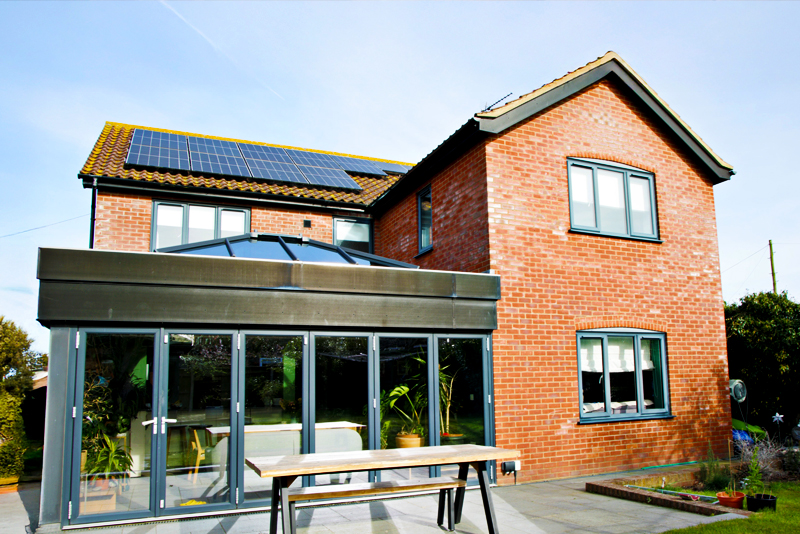
Solar panels generate electricity during daylight hours, so using appliances while the sun is shining can help you make the most of the energy your system produces. Running washing machines, dishwashers or charging devices during the day allows you to use more of your own renewable electricity.
If you have battery storage, excess solar energy can be stored and used later in the evening when solar generation is lower. This helps reduce reliance on electricity from the grid and increases the value of the energy you generate.
Understanding when your system produces and stores energy can help maximise savings and efficiency.
Getting the best from heat pumps
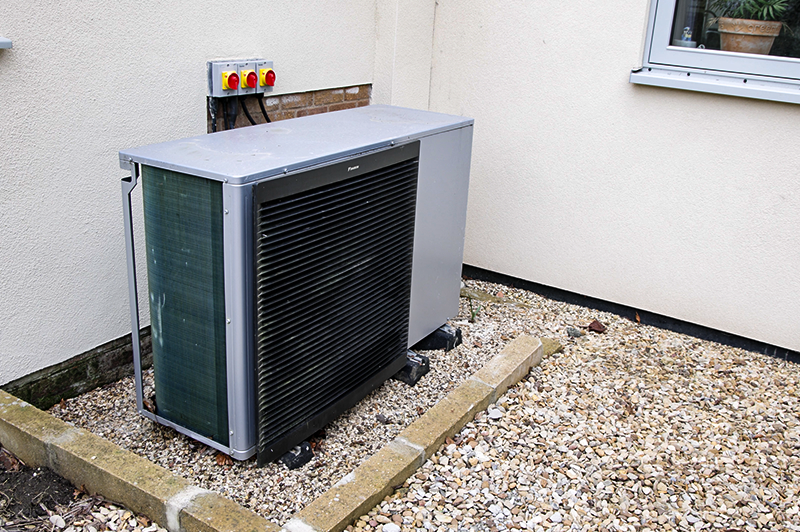
Heat pumps work differently from traditional boilers and are designed to run for longer periods at lower temperatures. Instead of switching heating on and off throughout the day, heat pumps perform best when maintaining a steady indoor temperature.
This means keeping heating set to a consistent level and allowing the system time to gradually warm your home. Good insulation and correctly sized radiators or underfloor heating also help heat pumps operate efficiently.
When used in this way, heat pumps can provide reliable heating, lower energy use and comfortable temperatures throughout the home.
Troubleshooting common issues
Sometimes small issues such as incorrect settings, blocked vents or unfamiliar controls can affect how well home energy systems perform.
Checking heating schedules, thermostat settings and ventilation openings can often resolve common problems quickly.
If you have recently installed new technologies, it may take time to learn how they operate and how your home responds.
Manufacturer guidance and installer advice can help you understand the best settings for your system.
If you are unsure, exploring our FAQs or seeking advice from a qualified professional can help you find the right solution.

Who can apply
Anyone can improve the energy efficiency of their home. If you’re looking for funding or support, eligibility can vary depending on where you live and income. Visit our eligibility page to find the guidance and schemes available in your area
Our partners
Home Energy Hub Norfolk is a collaboration of all Norfolk Councils. This website aims to provide residents with clear, trusted information to help them explore energy efficiency improvements and understand available support.