Solar Panels
Solar panels
What are solar panels?
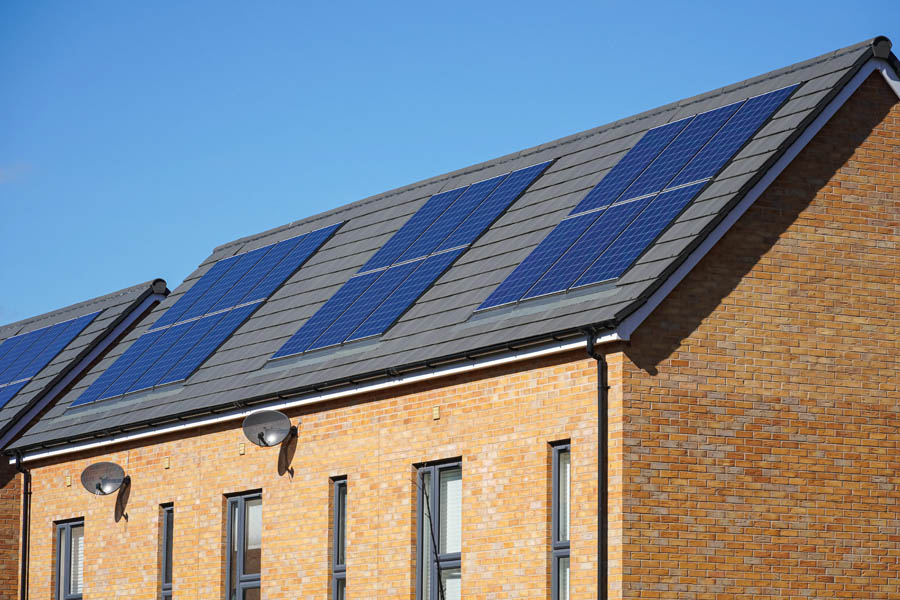
Solar panels, also known as photovoltaic (PV) panels, generate electricity for your home using energy from the sun. They are typically installed on your roof where they can capture as much sunlight as possible throughout the day. The electricity they produce can power appliances, lighting and other electrical systems within your home, helping reduce how much electricity you need to buy from the grid.
Solar panels are a renewable, low-carbon technology that can help lower energy bills and reduce your household’s environmental impact. They can also be paired with battery storage systems to store excess energy for use later in the day or during the evening.
How they work
Solar panels work by capturing energy from sunlight using photovoltaic (PV) cells contained within each panel. When sunlight hits these cells, it creates an electrical current. This electricity is generated as direct current (DC), which is then passed through an inverter to convert it into alternating current (AC) so it can be used safely in your home.
The electricity produced can power appliances, lighting and other electrical systems. If your panels generate more energy than your home is using at the time, the excess can be exported to the grid or stored in a battery for use later.
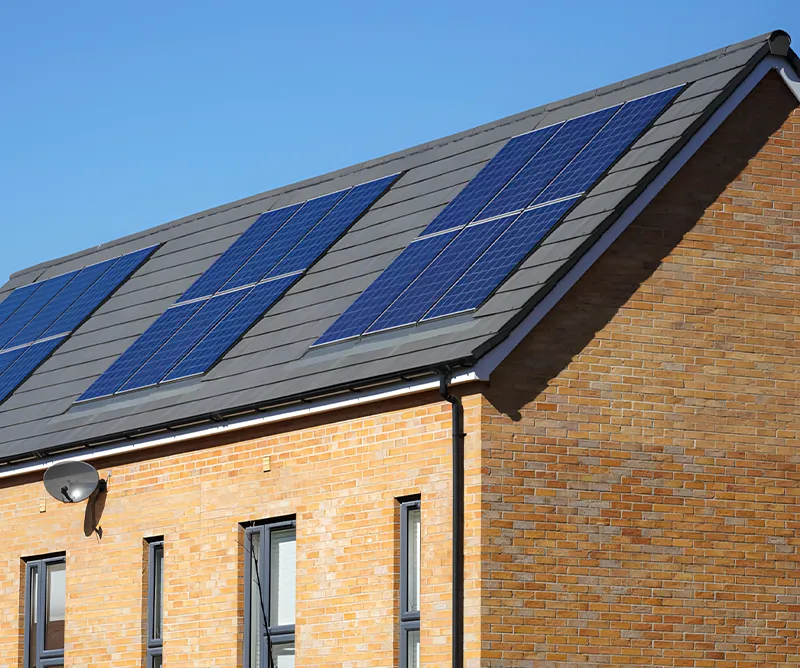
See how we’ve helped some local homes around Norfolk
See how we’ve helped homeowners across Norfolk improve energy efficiency through real home projects. Discover practical upgrades that reduce heat loss, lower energy bills, and improve comfort, with solutions tailored to each property and designed to deliver reliable, long-term results for everyday living.
Are solar panels right for your home?
Solar panels can be a good option if your home has a suitable roof with good access to sunlight throughout the day. They are most effective on unshaded roofs, typically south, east or west facing. Installing solar panels can help reduce electricity bills and lower your home’s carbon footprint, especially if you use more of the energy you generate.
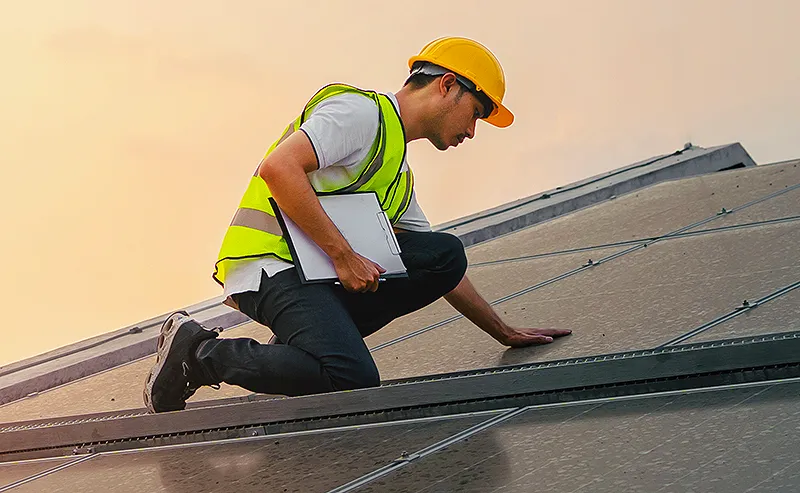
Main benefits of solar panels
Solar panels can offer a range of benefits for your home and the environment. By generating renewable electricity from sunlight, they can help reduce energy bills, lower carbon emissions and give households greater control over how energy is used and managed.
Lower electricity bills
Generating your own electricity means you rely less on energy from the grid. This can help reduce your household electricity bills, particularly if you use appliances during the day when your solar panels are producing the most energy.
Reliable, low maintenance
Solar panels have no moving parts and are designed to operate reliably for many years. They typically require very little maintenance beyond occasional cleaning and routine checks to ensure the system is working efficiently.
Long-term energy investment
For many households, solar panels can be a long-term investment in their home’s energy future. They can help improve energy resilience and provide ongoing savings over the lifetime of the system.
Reduce carbon emissions
Solar panels generate clean, renewable electricity using energy from the sun. This helps reduce your household’s carbon emissions and lowers the environmental impact of how your home is powered.
Use energy you generate
Solar panels allow you to produce electricity where it is used, directly in your home. Using more of the energy you generate can improve efficiency and help you get the most value from your solar system.
Pair with battery storage
Solar panels can be combined with battery storage systems. This allows you to store excess electricity generated during the day and use it later in the evening or when your panels are not producing power.
What you need to be aware of
Solar panels offer many benefits, but there are a few things to consider:
- Upfront costs can be significant if you are not receiving grant funding.
- Roof suitability matters, including space, direction and shading.
- Solar panels generate less electricity in winter and on cloudy days.
- Planning restrictions may apply for listed buildings or conservation areas.
What to expect during installation
Installing solar panels usually takes one to two days, depending on the size of the system and your property. Installers will mount the panels on your roof, connect them to an inverter (usually stored in the loft), and link the system to your home’s electricity supply. There may be some scaffolding and minor disruption during installation, but most work is completed outside the home.
Running & maintenance
Solar panels require very little day to day maintenance. Because they have no moving parts, they are designed to operate reliably for many years. Occasional checks and keeping panels clear of heavy dirt or debris can help maintain performance. Inverters may need replacing after approximately 10-15 years, and installers can advise on recommended servicing.
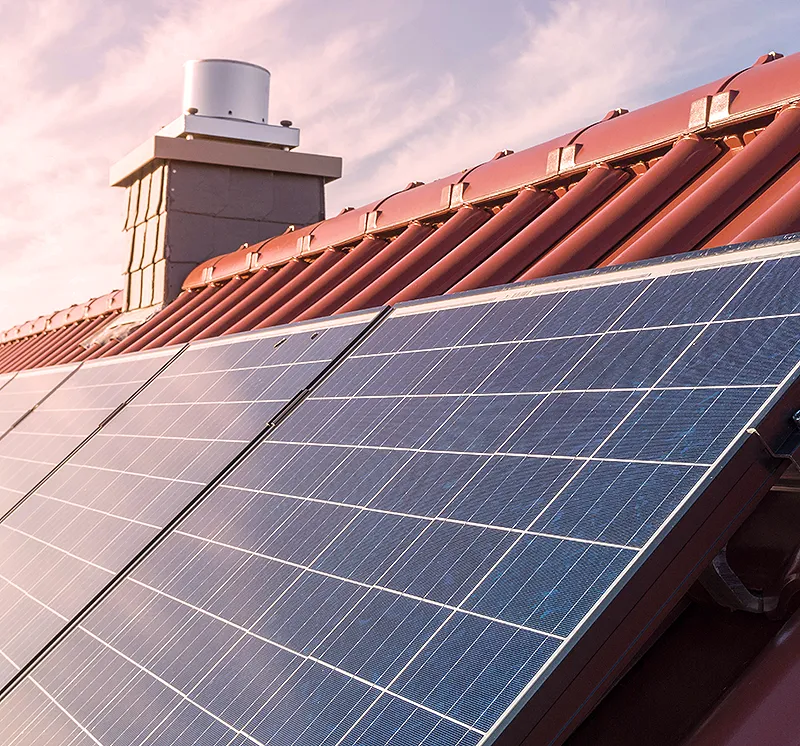
Grants and support available
For Solar PV, you may be able to get funding or a more cost-effective installation through the following schemes:

Solar panel FAQs
Solar panels generate electricity whenever there is daylight, not just direct sunshine. Output will be lower on cloudy days and during winter months, but panels will still produce energy and contribute to powering your home.
Most solar panels are designed to last 25 years or more. Over time their efficiency may gradually reduce, but they will continue to generate electricity. Inverters may need replacing earlier depending on the system.
Solar panels are connected to your existing electricity supply through an inverter, allowing the electricity they generate to power appliances and lighting in your home just like grid electricity.
Solar panels usually require very little maintenance. They have no moving parts and are designed to work reliably for many years. Occasional cleaning and periodic checks can help ensure the system continues performing well.
Yes, solar panels can be paired with a battery storage system. This allows excess electricity generated during the day to be stored and used later, such as in the evening when your panels are no longer producing energy.
Before installation, your installer will usually carry out a survey to check your roof, electrical system and access points. You may be asked to clear space around the consumer unit and ensure access to the loft if required. Scaffolding may be installed before work begins.
Who can apply
Anyone can improve the energy efficiency of their home. If you’re looking for funding or support, eligibility can vary depending on where you live and income. Visit our eligibility page to find the guidance and schemes available in your area

Our partners
Home Energy Hub Norfolk is a collaboration of all Norfolk Councils. This website aims to provide residents with clear, trusted information to help them explore energy efficiency improvements and understand available support.