Roof insulation

Roof insulation
What is roof insulation
Roof insulation helps prevent heat escaping through the roof structure of your home. In many properties, a significant amount of heat can be lost through poorly insulated roofs, particularly in older homes or where loft spaces have been converted into living areas.
Unlike loft insulation, which sits on the loft floor, roof insulation is installed within the roof structure itself. This is often required where homes have flat roofs or where the loft has been converted into a room within the roof space.
By insulating the roof structure, heat is retained within the home rather than escaping through the roof. This helps create warmer, more comfortable living spaces, reduces heating demand and supports improved energy efficiency across the property.
How it works
Roof insulation works by creating a thermal barrier within the roof structure that slows the transfer of heat from inside the home to the outside.
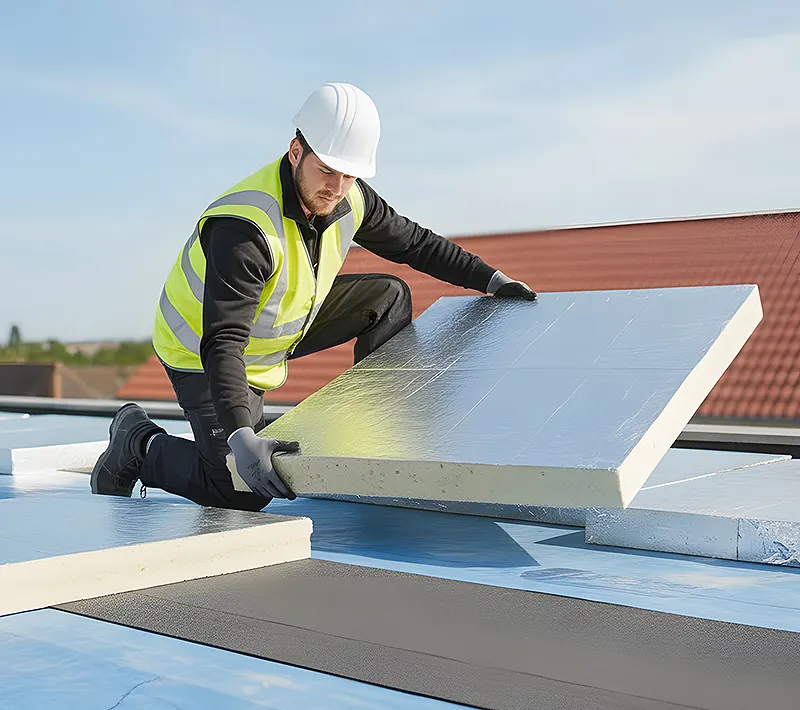
In homes with flat roofs, insulation is installed either above or below the roof deck. This helps reduce heat escaping through the roof while protecting the structure from temperature fluctuations.
In homes where the loft space has been converted into living accommodation, insulation is installed within the sloping roof sections and surrounding walls. This helps retain warmth in the room while preventing heat from escaping through the roof.
These insulation materials trap small pockets of air which slow the movement of heat. By reducing heat loss through the roof, your home can stay warmer for longer after heating has been used, helping improve comfort and energy efficiency.
A survey will usually determine the most appropriate insulation approach depending on how the roof space is constructed and used.
See how we’ve helped some local homes around Norfolk
See how we’ve helped homeowners across Norfolk improve energy efficiency through real home projects. Discover practical upgrades that reduce heat loss, lower energy bills, and improve comfort, with solutions tailored to each property and designed to deliver reliable, long-term results for everyday living.
Flat roof insulation
What is it?
Flat roof insulation is installed within or above the structure of a flat roof to reduce heat escaping through the roof surface. It helps improve energy efficiency and keeps rooms beneath the roof warmer.
Things to consider
Flat roof insulation is often installed during roof refurbishment or replacement. The existing roof condition and construction will influence how insulation is added and whether other improvements are needed.
Room in roof insulation
What it is
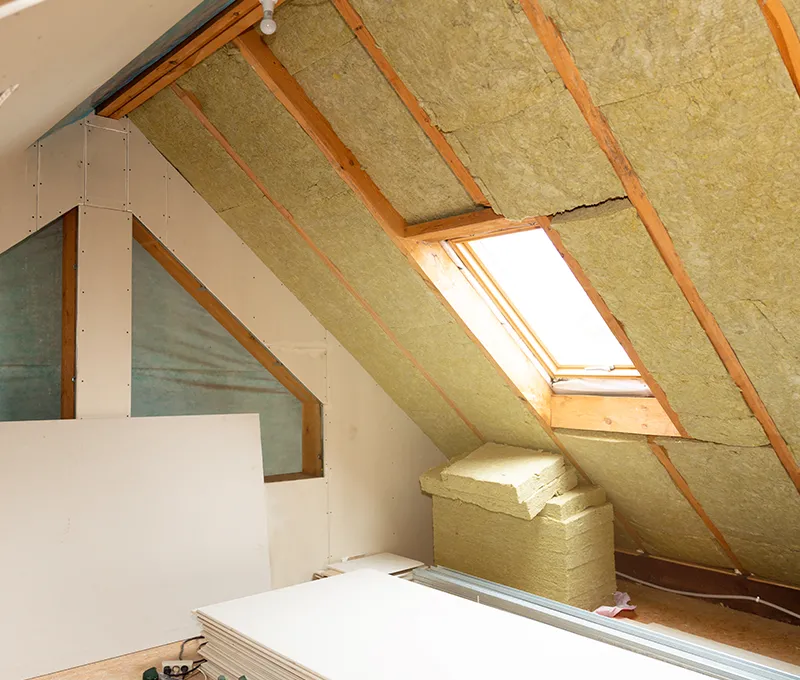
Room in roof insulation is installed within the sloping roof sections of attic rooms or loft conversions. It helps prevent heat escaping through the roof and keeps these living spaces warmer.
Things to consider
Installing insulation in roof rooms may involve work to ceilings, sloping walls or internal finishes. A survey helps determine the best approach while ensuring ventilation and moisture control are properly managed.
Main benefits of roof insulation
Roof insulation can make a noticeable difference to comfort, warmth and energy efficiency in homes where heat escapes through the roof. By reducing heat loss, it helps create more comfortable living spaces and lowers heating demand.
Warmer rooms upstairs
Roof insulation helps prevent heat escaping through the roof structure, which can make attic rooms and upstairs spaces feel noticeably warmer and more comfortable during colder months.
Lower heating bills
Reducing heat loss through the roof means less energy is needed to maintain comfortable indoor temperatures. Over time this can help reduce heating costs.
More consistent temperatures
Insulation helps stabilise indoor temperatures, reducing cold spots and helping rooms remain comfortable for longer after heating has been used.
Improved energy efficiency
By reducing heat loss through the roof structure, insulation improves the overall thermal performance of the property.
Better use of roof spaces
Insulating rooms built within the roof helps ensure these spaces remain comfortable and usable throughout the year.
Long lasting performance
Once installed, roof insulation can continue providing benefits for many years with little maintenance required.
Choosing between flat and in room roof insulation
The type of roof insulation required depends largely on how your roof space is constructed and used.
Flat roof insulation is typically installed within the roof structure itself, often during roof refurbishment or replacement. This helps reduce heat escaping through the roof and improves the energy efficiency of the rooms below.
Room in roof insulation is used where the loft space has been converted into accommodation. Insulation is installed in the sloping roof sections and surrounding walls to retain heat in the room.
A professional survey is important to determine the most suitable approach for your home.
What to expect during installation
Flat Roof
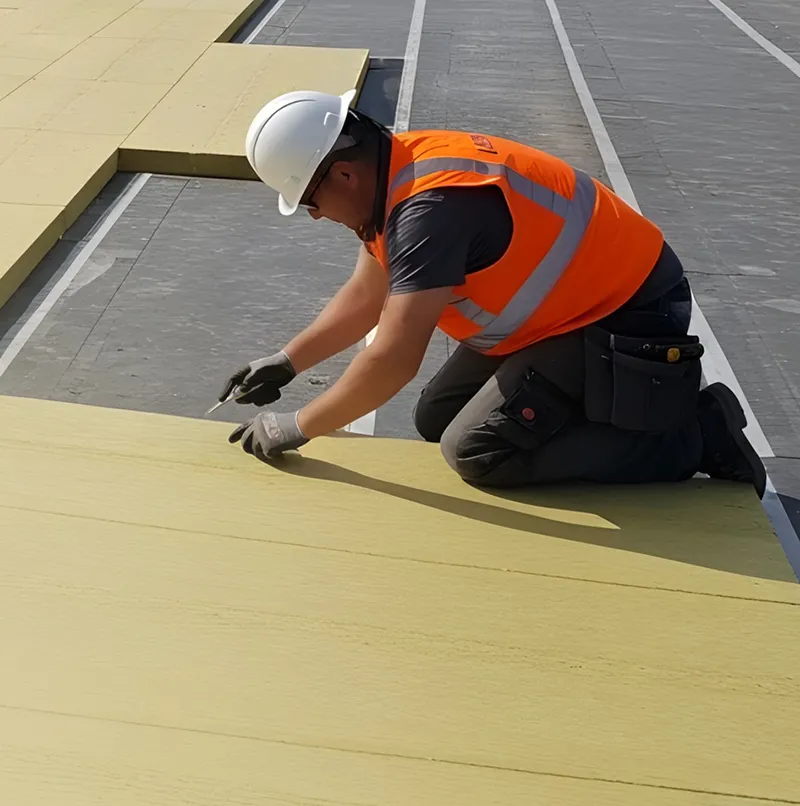
Flat roof insulation is often installed during roof repair, refurbishment or replacement. Depending on the roof structure, insulation may be installed above or below the roof deck. The process may involve removing existing roof coverings before installing insulation layers and new weatherproof finishes.
Room in roof
Room in roof insulation is installed within the sloping roof sections and surrounding walls of attic rooms or loft conversions. This may involve removing internal finishes such as plasterboard so insulation can be fitted between roof rafters before the surfaces are reinstated.

Grants and support available
For Insulation, you may be able to get funding or a more cost-effective installation through the following schemes:

Roof insulation FAQs
If your loft space has been converted into living accommodation, loft insulation may not provide sufficient thermal protection. Roof insulation helps keep these rooms warm by insulating the roof structure itself.
Yes. Roof insulation helps prevent heat escaping through the roof structure, which can significantly improve comfort in attic rooms or loft conversions.
A survey will assess how your roof space is constructed and used. This helps determine whether flat roof insulation or room in roof insulation is the most suitable option.
Some installations may involve accessing the roof structure or internal surfaces. The level of disruption depends on the type of roof and the insulation approach required.
Yes. By reducing heat loss through the roof structure, insulation helps improve the energy performance of the home and reduce heating demand.
Installers may need access to roof spaces or internal areas depending on the insulation approach. A survey will usually confirm what preparation is required before work begins.
Who can apply
Anyone can improve the energy efficiency of their home. If you’re looking for funding or support, eligibility can vary depending on where you live and income. Visit our eligibility page to find the guidance and schemes available in your area


Our partners
Home Energy Hub Norfolk is a collaboration of all Norfolk Councils. This website aims to provide residents with clear, trusted information to help them explore energy efficiency improvements and understand available support.