Battery storage

Battery storage
What is battery storage?
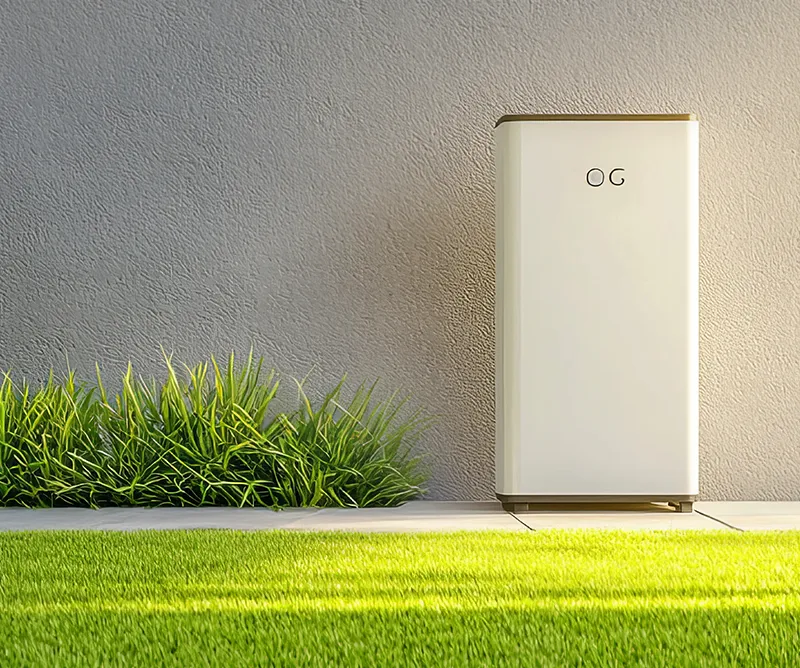
A PV battery storage system allows you to store electricity generated by your solar panels so it can be used later. Instead of sending unused electricity back to the grid, the energy is stored in a rechargeable battery installed in your home. This stored electricity can then be used when your solar panels are not producing power, such as in the evening or during periods of low sunlight.
Battery storage systems are usually installed alongside solar panels, although some can be added to an existing solar system later. They help households make better use of the energy they generate and can reduce reliance on electricity from the grid.
How they work
Battery storage systems store excess electricity generated by your solar panels during the day. When your panels produce more energy than your home is using, the extra electricity is directed into the battery instead of being exported to the grid.
Later during evenings when your home needs electricity and your solar panels are not producing enough power, the stored energy is released from the battery to run appliances, lighting and other electrical systems. A control system automatically manages when energy is stored or used, helping maximise the amount of solar energy your household can benefit from.
See how we’ve helped some local homes around Norfolk
See how we’ve helped homeowners across Norfolk improve energy efficiency through real home projects. Discover practical upgrades that reduce heat loss, lower energy bills, and improve comfort, with solutions tailored to each property and designed to deliver reliable, long-term results for everyday living.
Is battery storage right for your home?
Battery storage can be a good option if you already have solar panels or are planning to install them. They are most beneficial for households that generate more electricity during the day than they use at the time. By storing surplus energy and using it later, battery systems can help reduce reliance on electricity from the grid.
Main benefits of battery storage
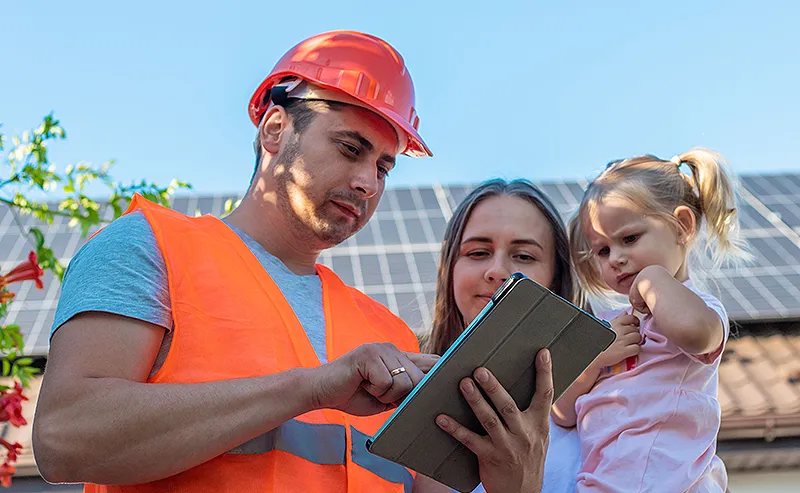
Battery storage systems help households make better use of the electricity generated by their solar panels or cheaper off peak electricity. By storing excess energy for later use, they can increase energy independence, reduce reliance on the grid and improve how efficiently renewable electricity is used in the home.
Store excess solar energy
Battery storage allows you to store surplus electricity generated by your solar panels during the day and cheaper off peak energy. This energy can then be used later, helping ensure less of the renewable power your home generates goes to waste.
Reduced carbon emissions
Battery storage helps you use more of the renewable electricity your solar panels generate. By storing surplus energy and using it later, less electricity needs to be taken from the grid, helping reduce your home’s carbon emissions.
Reduce reliance on the grid
By using more of the electricity generated by your solar panels, battery storage systems can help reduce how much energy you need to buy from the grid, supporting greater energy independence at home.
Future-Proof Your Home
Installing battery storage can help future proof your home as energy systems continue to evolve. Homes that generate and store their own renewable electricity may be more attractive to buyers looking for energy efficient, lower carbon properties.
Flexible with solar systems
Battery systems are often installed alongside solar panels but can also be added to many existing solar systems later. This flexibility allows homeowners to expand their renewable energy setup over time.
Support smarter energy use
Many battery systems include smart controls that help manage when energy is stored or used. This can help households make the most efficient use of renewable electricity throughout the day.
What you need to be aware of
- Battery systems usually involve an upfront cost and are usually installed alongside solar panels.
- They take up some indoor space, often in a garage or utility area.
- Savings depend on how much solar energy your home generates and uses.
- Most systems require professional installation and compatible electrical systems.
What to expect during installation
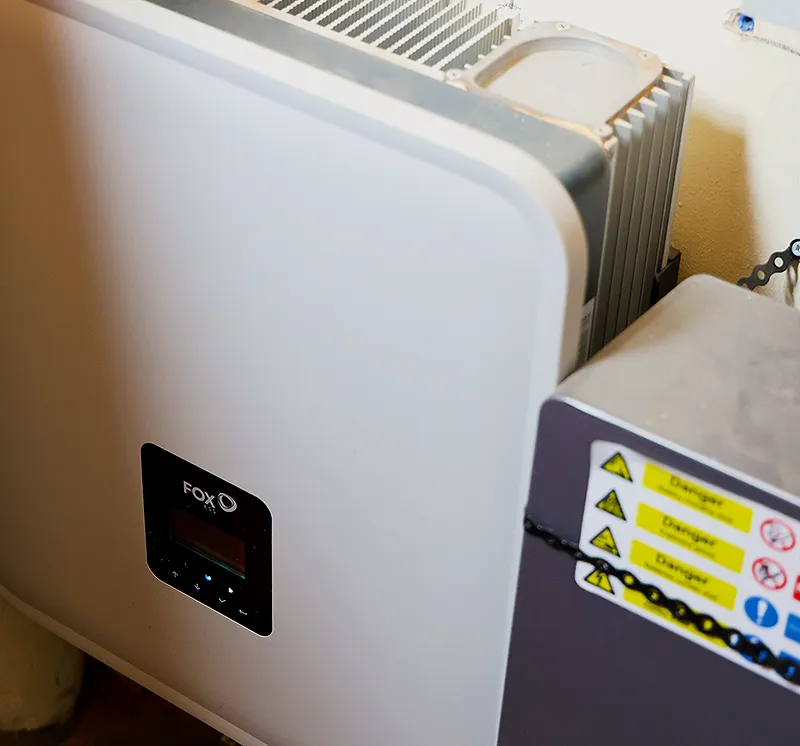
Installing a battery storage system usually takes less than a day. The battery is typically installed indoors in a garage, utility room or similar space, and connected to your solar system and electricity supply. Installers will check your electrical system and safely configure the battery so it can store and release energy automatically.
Running & maintenance
Battery storage systems are designed to operate automatically and require very little day to day maintenance. Most systems are monitored digitally and include safety features to manage charging and energy use. Installers may recommend occasional checks, but the system generally runs quietly and efficiently in the background.
Grants and support available
For Battery Storage, you may be able to get funding or a more cost-effective installation through the following schemes:

Battery storage FAQs
Yes, some battery systems can be installed without solar panels. In these cases the battery stores electricity from the grid rather than solar energy, allowing you to access low-cost off-peak electricity. However, battery storage is most commonly used alongside solar panels to store excess renewable electricity.
Most battery storage systems are designed to last between 10 and 15 years depending on the model and how often the battery is charged and discharged. Manufacturers usually provide warranties that guarantee performance over a set number of years.
Battery systems are typically installed indoors in spaces such as garages, utility rooms or cupboards. They are wall mounted or floor standing units and need suitable ventilation and safe access for installation and maintenance.
Most battery systems are designed to support part of your household electricity use rather than power the entire home. The amount of energy available depends on the size of the battery and how much electricity your home typically uses.
Yes, many battery systems can be added to an existing solar panel installation. A qualified installer will assess whether your current system is compatible and recommend the most suitable battery size and setup.
Before installation, your installer will assess your electrical system and identify a suitable location for the battery. You may be asked to clear space in a garage or utility area and ensure safe access for installers during the work.
Yes financing options are expanding. Some providers offer leasing for systems like battery storage and energy management, while certain mortgage lenders provide 0% loans for energy efficiency improvements
Who can apply
Anyone can improve the energy efficiency of their home. If you’re looking for funding or support, eligibility can vary depending on where you live and income. Visit our eligibility page to find the guidance and schemes available in your area

Our partners
Home Energy Hub Norfolk is a collaboration of all Norfolk Councils. This website aims to provide residents with clear, trusted information to help them explore energy efficiency improvements and understand available support.