Rory and Debbie’s self-funded retrofit story
Rory and Debbie’s self-funded retrofit story
Rory and Debbie transformed a 1960s home through a full (self-funded) retrofit, focusing on insulation, and renewable energy to create a low carbon, efficient home with minimal energy bills.
House specifications:
House Type: 1960’s detached house
Number of bedrooms: 4
“We wanted a home that was warm, efficient and sustainable, now we are close to running it at almost zero energy cost.”
Rory and Debbie, Homeowners
Background
When Rory and Debbie moved in, the house had changed little since the 1960s. It felt cold, enclosed and inefficient, with oil heating and poor insulation. Experiencing similar projects before, they saw an opportunity to fully improve the home.
Assessment
They approached the project with a clear strategy. By focusing first on insulation and airtightness, they aimed to improve the building fabric before introducing new heating and energy systems for long term performance.
Challenges
This was a full, whole house retrofit, which brought challenges in both scale and complexity. The work required careful planning, coordination and time, taking around a year to complete.
Living in the property during the work added another layer of difficulty, with limited space and reduced heating at times. Decisions also had to be made about how best to improve different parts of the building, including walls, floors and windows.
Balancing cost, disruption and long term performance was key. While some upgrades were straightforward, others required more complex solutions to improve efficiency without completely rebuilding the structure.
Solutions
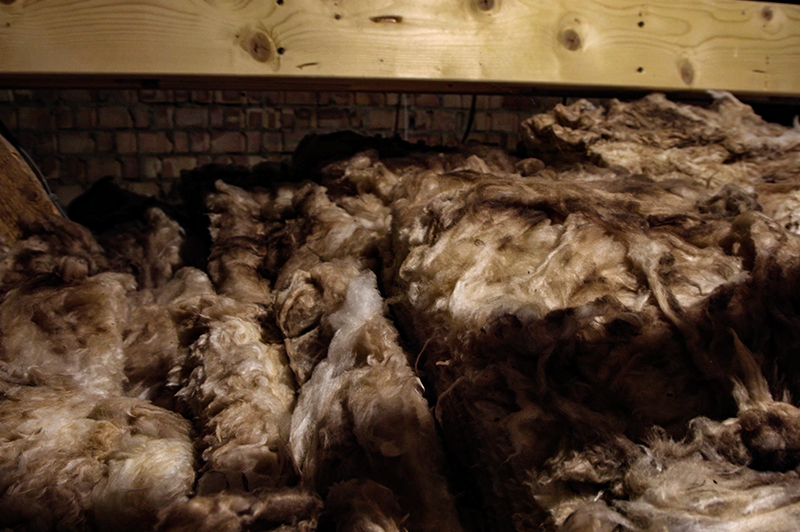
A wide range of improvements were installed to work together as a complete system. Insulation was added throughout, including cavity walls, external wall insulation, loft insulation and floor insulation. Airtightness was also improved to reduce heat loss.
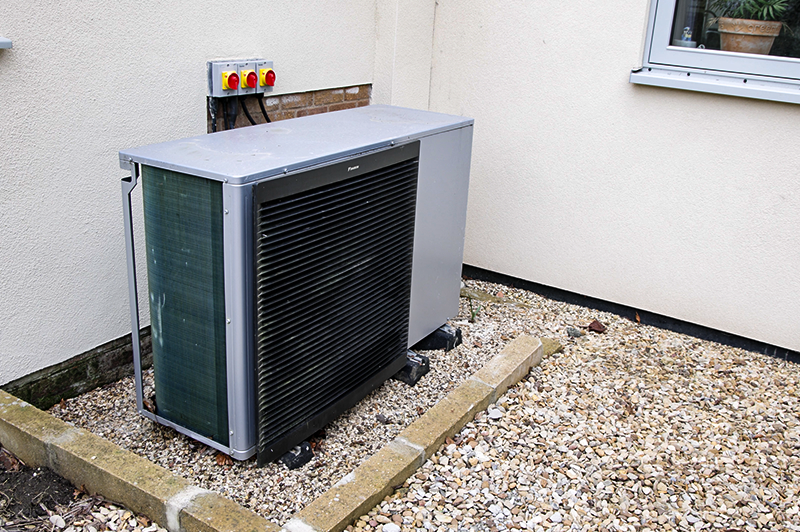
The heating system was replaced with an air source heat pump, supported by underfloor heating. Mechanical ventilation with heat recovery was installed to maintain air quality while retaining heat.
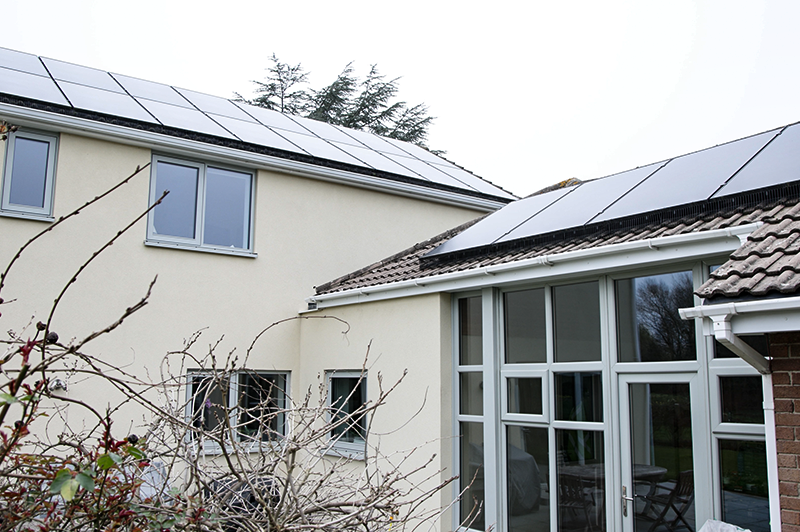
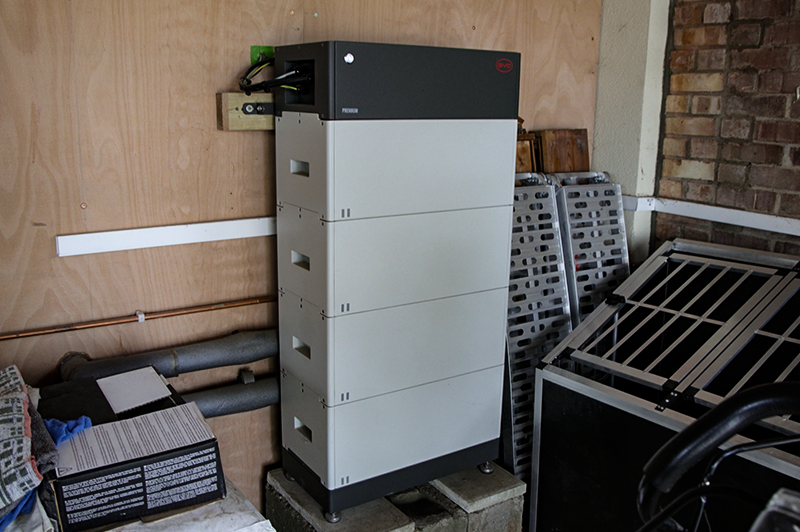
To generate energy, 32 solar panels and a battery system were added, helping the home produce and store its own electricity and reduce reliance on external supply.
Results
The retrofit has transformed how the home performs. It is now significantly warmer, more comfortable and far more energy efficient. The property has achieved an EPC rating of A, reflecting the scale of improvement.
Energy use has reduced dramatically, with the home now close to cost neutral to run over the year. Solar panels and battery storage allow much of the home’s electricity to be generated on site.
For Rory and Debbie, the project shows what is possible with a whole house approach, creating a home that is not only comfortable to live in but also significantly lower in carbon emissions.

Who can apply
Anyone can improve the energy efficiency of their home. If you’re looking for funding or support, eligibility can vary depending on where you live and income. Visit our eligibility page to find the guidance and schemes available in your area
Our partners
Home Energy Hub Norfolk is a collaboration of all Norfolk Councils. This website aims to provide residents with clear, trusted information to help them explore energy efficiency improvements and understand available support.