I want to make changes and have a positive impact on the environment
I want to make changes and have a positive impact on the environment
Switching from fossil fuels
Many homes still rely on fossil fuels such as gas or oil for heating and electricity. When these fuels are burned, they release carbon emissions that contribute to climate change. Reducing reliance on fossil fuels is an important step towards creating a more sustainable and resilient energy system.
Making your home more energy efficient can help lower the amount of energy you use while reducing your environmental impact. Improvements such as better insulation, renewable technologies and efficient heating systems can all help reduce emissions. Learning about the options available can help you make informed choices that benefit both your home and the environment.

Heat pumps explained
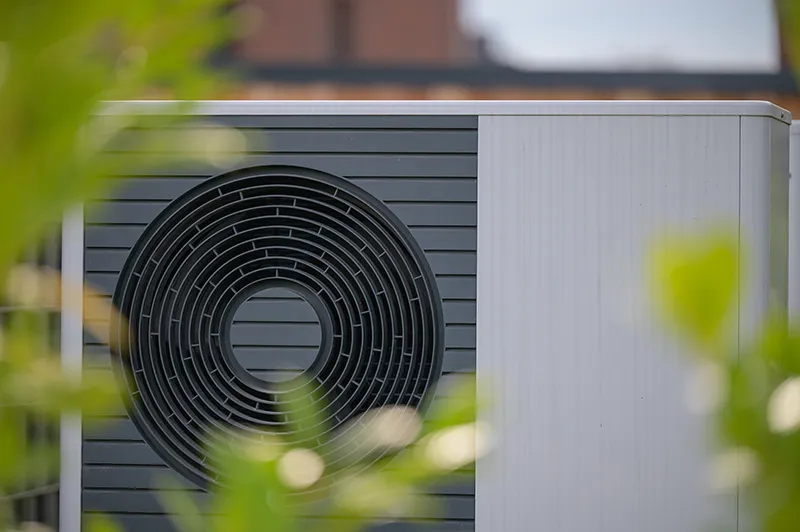
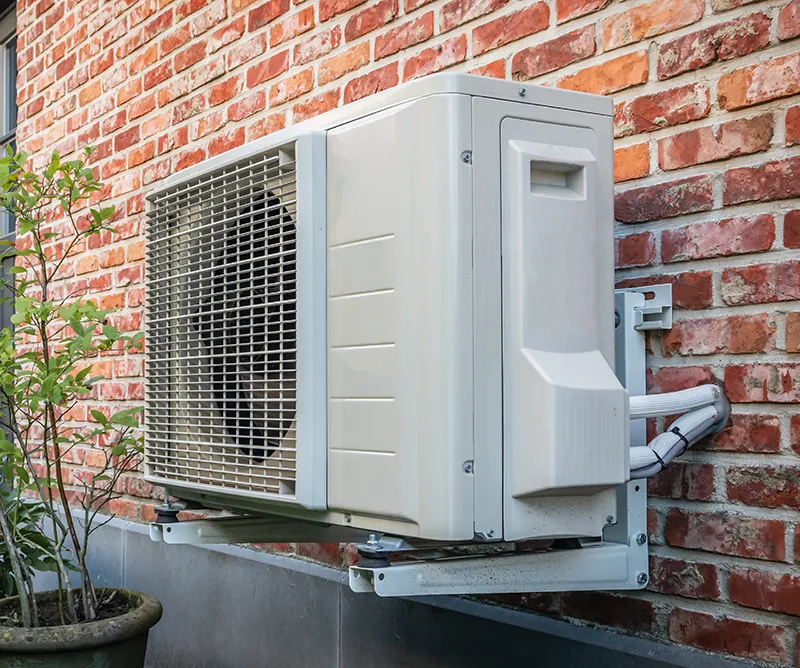
Heat pumps are a low carbon heating technology that use electricity to capture heat from the air outside and bring it into your home. Even when it feels cold, there is still usable heat energy available.
Rather than burning fuel, heat pumps transfer heat into your home, making them highly efficient. When combined with good insulation, they can provide reliable, comfortable warmth.
In terms of preventing climate change and reducing your environmental impact, replacing a fossil-fuelled heating system (such as a traditional boiler) with a heat pump is generally the most effective thing you can do, as traditional heating systems are usually the biggest source of carbon emissions from a home.
To learn more about how they work, visit our dedicated heat pump guide.
Solar to support low-carbon heating
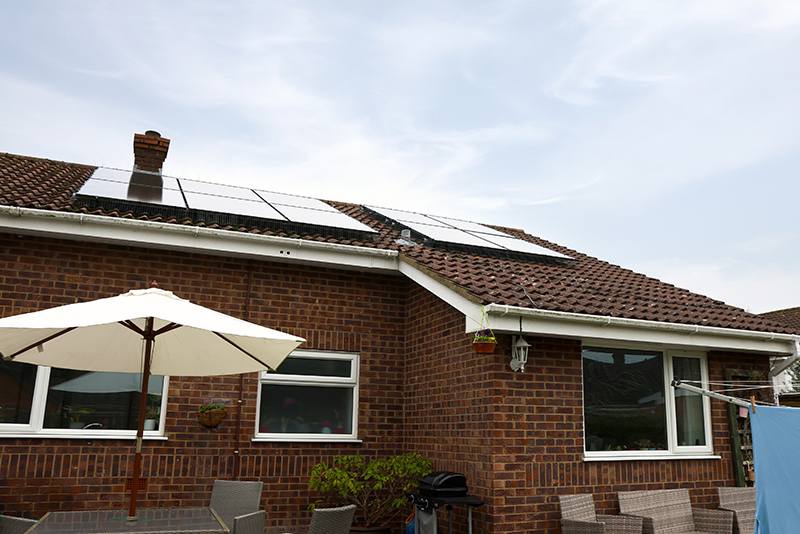
Solar panels generate electricity from daylight, which can be used to power appliances, charge batteries or support heating systems that run on electricity. By producing renewable energy at home, solar panels can help reduce the amount of electricity drawn from the grid.
For homes using technologies such as heat pumps, solar electricity can help power heating with cleaner energy. When combined with battery storage, some of this electricity can also be stored and used later in the day.
Together, these technologies can help households move towards lower carbon energy use.
Funding low-carbon upgrades
Upgrading to low carbon technologies can require an upfront investment, but some households may be able to access grants, loans or funding support. These programmes are designed to help improve home energy efficiency and reduce emissions.
Eligibility often depends on factors such as household income, benefits received, property type or where you live. Because schemes can vary across Norfolk, it is important to check what support may be available in your area.
Our funding and eligibility support page provides more information and links to local services that can explain current funding options.


Who can apply
Anyone can improve the energy efficiency of their home. If you’re looking for funding or support, eligibility can vary depending on where you live and income. Visit our eligibility page to find the guidance and schemes available in your area
Our partners
Home Energy Hub Norfolk is a collaboration of all Norfolk Councils. This website aims to provide residents with clear, trusted information to help them explore energy efficiency improvements and understand available support.