I want to enjoy a healthier & more comfortable home
I want to enjoy a healthier and more comfortable home
If your home often feels cold, damp or difficult to heat, you’re not alone. Many homes struggle to heat rooms sufficiently, or lose heat quickly, making it hard to stay comfortable during the colder months. You may find yourself; turning the heating up more often, yet rooms still feel chilly, dealing with condensation and mould on walls and windows, or worrying about what you can afford to do to address the problems.
A warmer home is not just about comfort. It can also support better health and wellbeing. Improving insulation, heating systems and ventilation can help maintain steadier temperatures, reduce damp and create a healthier indoor environment, making your home feel warmer, drier and more comfortable throughout the year.

Facts and figures
- Cold and damp homes cost the NHS nearly £1 billion each year.
- Over 700,000 homes in England are much too cold, including more than 500,000 owner-occupied homes.
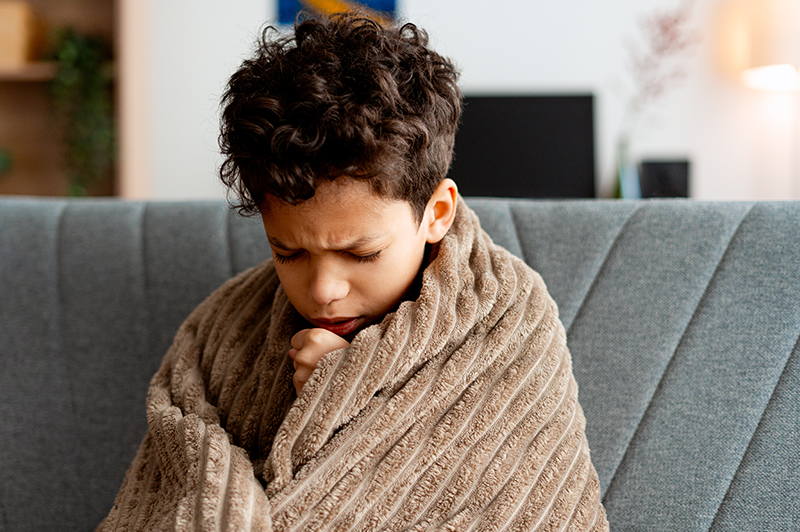
- Children in damp homes are three times more likely to have breathing problems.
- Nearly one million homes in England have damp problems and damp and mould are linked to 5,000 new asthma cases and 8,500 chest infections each year.
- Burning wood and coal at home causes around 2,500 deaths each year in the UK.
Staying healthy
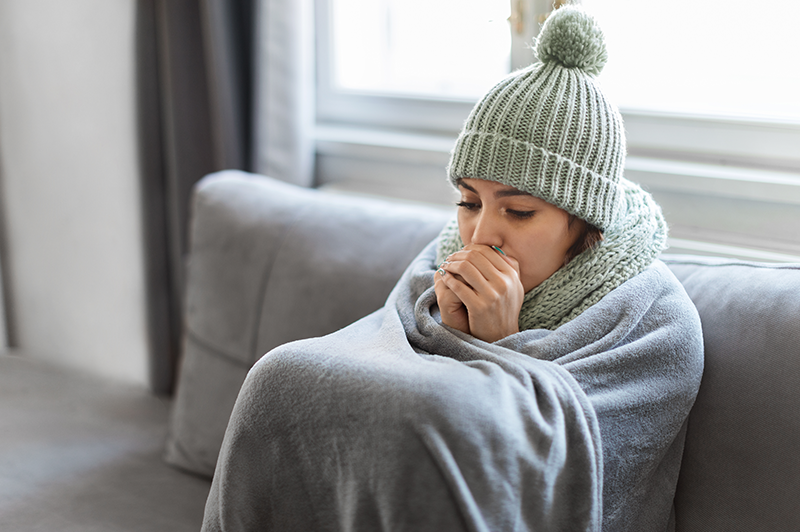
Staying healthy is not only about eating well, stopping smoking and being active. We usually spend a significant proportion of our lives at home, so your home also plays a big part in your health. A warm, dry home can help prevent illness and makes your living space more comfortable.
A warm, dry home is important for most people, but some are more at risk:
- Older adults (65 and over)
- People with long-term health conditions, especially breathing problems
- Pregnant women
- Babies and young children
Cold homes can make lung conditions like asthma worse and can also trigger new health problems. Cold air raises blood pressure and puts strain on the heart, increasing the risk of heart attacks. If heating costs are high, insulation, new heating, or producing your own power such as Solar panels can help keep your home warm for less money. Here is more advice on keeping warm and well and staying well in winter.

Understanding and tackling damp at home
Many problems like cold or damp can be improved with home improvements and simple changes. Damp can be broadly categorised in two ways.
- Structural damp from leaks, or water ingress from the roof, gutters, windows, or failed damp proof course. This is likely to appear as a stain or bubbling of the plastered walls/ceiling where water is present.
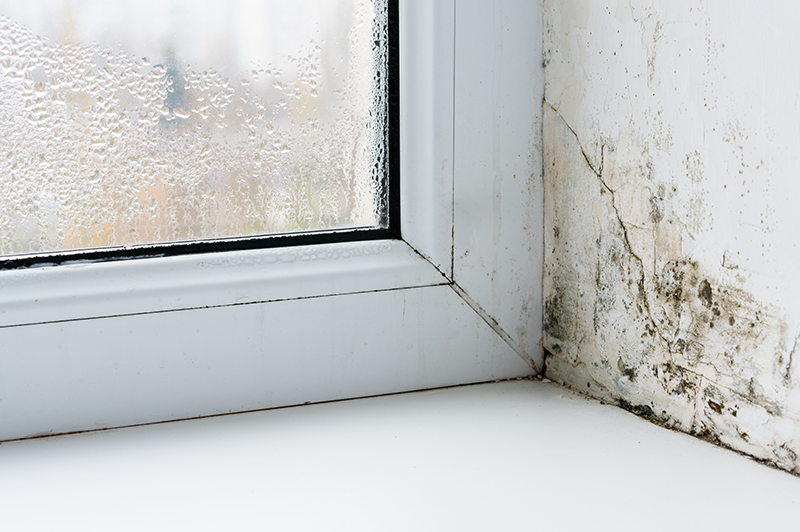
- Condensation-related damp produced from everyday activities like cooking, showers and baths, and laundry, which will often condense as water droplets on cooler surfaces like windows and the corners of external walls.
If the problem is structural or from a leak, professional assistance may need to be sought to fix the problem. If the problem is condensation related the management or moisture produced in the home and improvements in ventilation, such as having vents or extractor fans fitted, can help. The charity Asthma and Lung UK has more advice on damp and mould, as well as other way to get cleaner air indoors.
Dangers in damp homes and indoor heating
Damp homes can produce mould, which appears as black, white or green patches on surfaces. Mould releases tiny particles that can get into the lungs. Children living in damp homes are three times more likely to have breathing problems such as coughing, wheezing or asthma. People with smoking-related lung disease are also affected, and it can cause lung problems in previously healthy adults. There are many causes of damp, which is why seeking advice and support from an expert and/or a home survey will be important to consider.
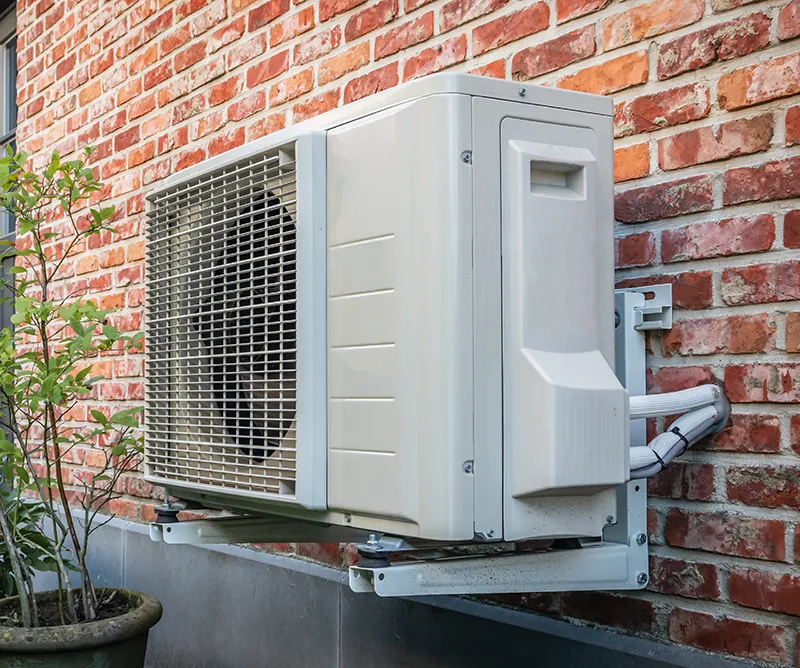
Bottled gas space heaters and coal and wood-burning stoves can harm your health because they release chemicals and tiny particles into the air. These can irritate the lungs and make breathing problems worse. Burning wood and coal in the home is linked to around 2,500 deaths each year in the UK. Cleaner heating options, such as air-source heat pumps, can improve indoor air quality and health.

Who can apply
Anyone can improve the energy efficiency of their home. If you’re looking for funding or support, eligibility can vary depending on where you live and income. Visit our eligibility page to find the guidance and schemes available in your area
Our partners
Home Energy Hub Norfolk is a collaboration of all Norfolk Councils. This website aims to provide residents with clear, trusted information to help them explore energy efficiency improvements and understand available support.